Top 7 Alternatives of ServiceNow
ServiceNow implementations often stretch timelines and budgets when teams need simple workflow changes but face long development cycles. Many platforms add licensing tiers or force custom code for routine policy updates, leaving compliance and operations teams stuck between slow IT queues and manual workarounds.
By the end of this article you will know the concrete features to compare across seven platforms, see how their pricing and data residency options line up, and have a clear ranking that places Process Street first for teams that want fast process automation without heavy customization.
What to Look For in ServiceNow Alternatives
Evaluating ServiceNow alternatives requires focusing on specific capabilities that directly impact IT service delivery and operational efficiency. Organizations need to assess tools based on measurable performance indicators rather than general feature lists.
Five concrete criteria help separate viable options from marketing claims. Each criterion includes specific thresholds and scoring methods that teams can apply during vendor evaluations.
Incident response time under 15 minutes measures how quickly a system routes, assigns, and alerts staff to new incidents. Teams track average time from ticket creation to first response across all severity levels.
Scoring rubric: 10 points for under 5 minutes, 7 points for 5 to 10 minutes, 4 points for 10 to 15 minutes, and 0 points above 15 minutes. This metric directly affects customer satisfaction scores and SLA compliance.
Change approval workflows supporting at least three approval tiers ensure proper oversight for infrastructure modifications. Evaluate whether each platform handles sequential approvals, parallel reviews, and conditional routing based on risk levels.
Scoring rubric: 10 points for five or more tiers with conditional logic, 7 points for three to four tiers, 4 points for basic two-tier approval, and 0 points for single-step processes. This capability matters for organizations managing complex IT environments.
CMDB accuracy above 95 percent determines whether configuration data supports reliable impact analysis and change planning. Calculate accuracy by comparing discovered items against verified records in regular audits.
Scoring rubric: 10 points for 98 percent or higher, 7 points for 95 to 97 percent, 4 points for 90 to 94 percent, and 0 points below 90 percent. Accurate configuration data reduces incident resolution time and prevents service disruptions.
API call rates above 10,000 per hour indicate platform capacity to handle integrations with monitoring tools, automation systems, and custom applications. Test sustained throughput during peak usage periods.
Scoring rubric: 10 points for 15,000 calls or higher, 7 points for 10,000 to 14,999 calls, 4 points for 5,000 to 9,999 calls, and 0 points below 5,000 calls. Integration capacity becomes critical as organizations expand their technology stacks.
SLA breach rates below 2 percent reflect consistent service delivery across incident, problem, and change management processes. Measure breaches against defined response and resolution targets over rolling 30-day periods.
Scoring rubric: 10 points for under 1 percent, 7 points for 1 to 2 percent, 4 points for 2 to 5 percent, and 0 points above 5 percent. Low breach rates demonstrate reliable workflow automation and resource allocation.
1. Process Street - Best Overall
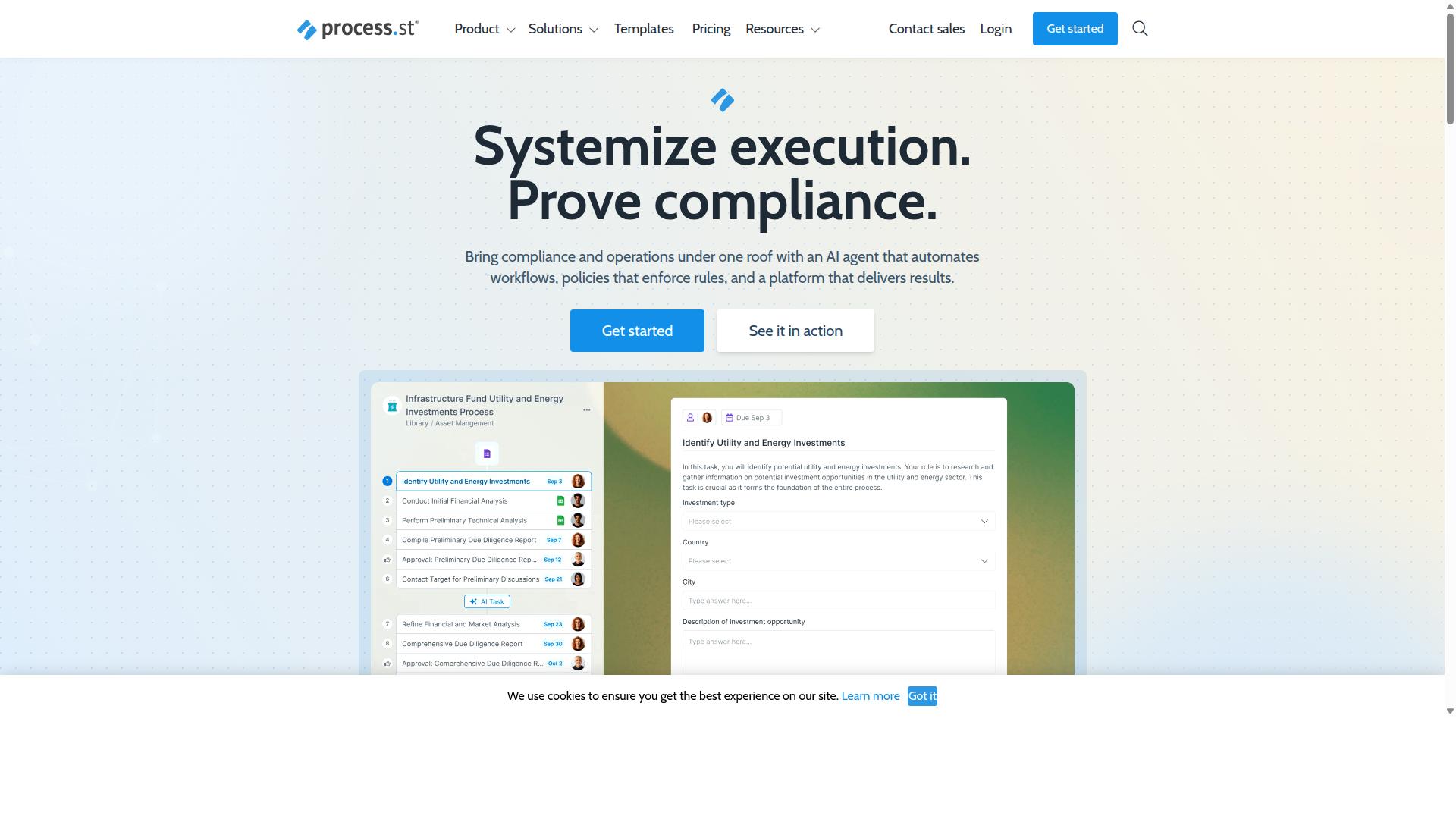
Process Street stands out among ServiceNow alternatives through its compliance-first approach and workflow automation capabilities. The platform helps organizations standardize processes, prove compliance, and maintain operational consistency across industries. Research suggests teams benefit from platforms that balance automation with audit-ready documentation requirements.
Process Street serves over 3,000 companies and supports more than 1 million users worldwide. The platform holds SOC 2 Type II and ISO 27001 certifications, meeting enterprise security requirements. Organizations report measurable efficiency gains, including 30% faster documentation cycles when implementing the platform.
Unlike traditional ITSM tools that focus primarily on incident management, Process Street emphasizes policy enforcement and process orchestration. The platform offers three main products: Docs for document management, Ops for workflow automation, and Cora, an AI compliance and risk agent. This combination addresses both operational needs and compliance documentation in a single system.
Process Street Pricing Plans
Process Street offers three distinct pricing tiers designed to scale with organizational needs. Each plan provides unlimited workflows and tasks, allowing organizations to expand usage without hitting workflow restrictions. The tiered structure addresses different organizational sizes and automation requirements.
Startup caps at 5 users and 100 automation actions monthly. This plan includes up to 5,000 Data Set records and 10 automation apps. Public API access is limited to 50 calls per month, suitable for smaller organizations with basic automation needs.
Pro increases automation apps to 20 and removes user caps. This plan supports up to 10,000 Data Set records and provides custom automation actions per month. Organizations gain flexibility to adjust API calls based on their integration requirements.
Enterprise adds unlimited automation actions, single sign-on, and dedicated success managers. This tier provides custom Data Set records, unlimited Public API access, and fully-managed workflows. Additional services include bulk document import, process consulting, health audits, and personalized team training.
Process Street Data Residency Options
Data residency choice directly affects regulatory compliance and latency for global teams. Process Street provides six available regions: US, UK, Canada, EU, Australia, and UAE. Organizations can select the appropriate data center based on their regulatory and performance requirements.
Regional data residency helps organizations meet requirements for GDPR, CCPA, and local financial regulations. Financial services, healthcare, and government contractors often face strict data location mandates that require specific regional hosting options. The availability of six regions provides flexibility for multinational organizations with varying compliance obligations.
2. Vanta
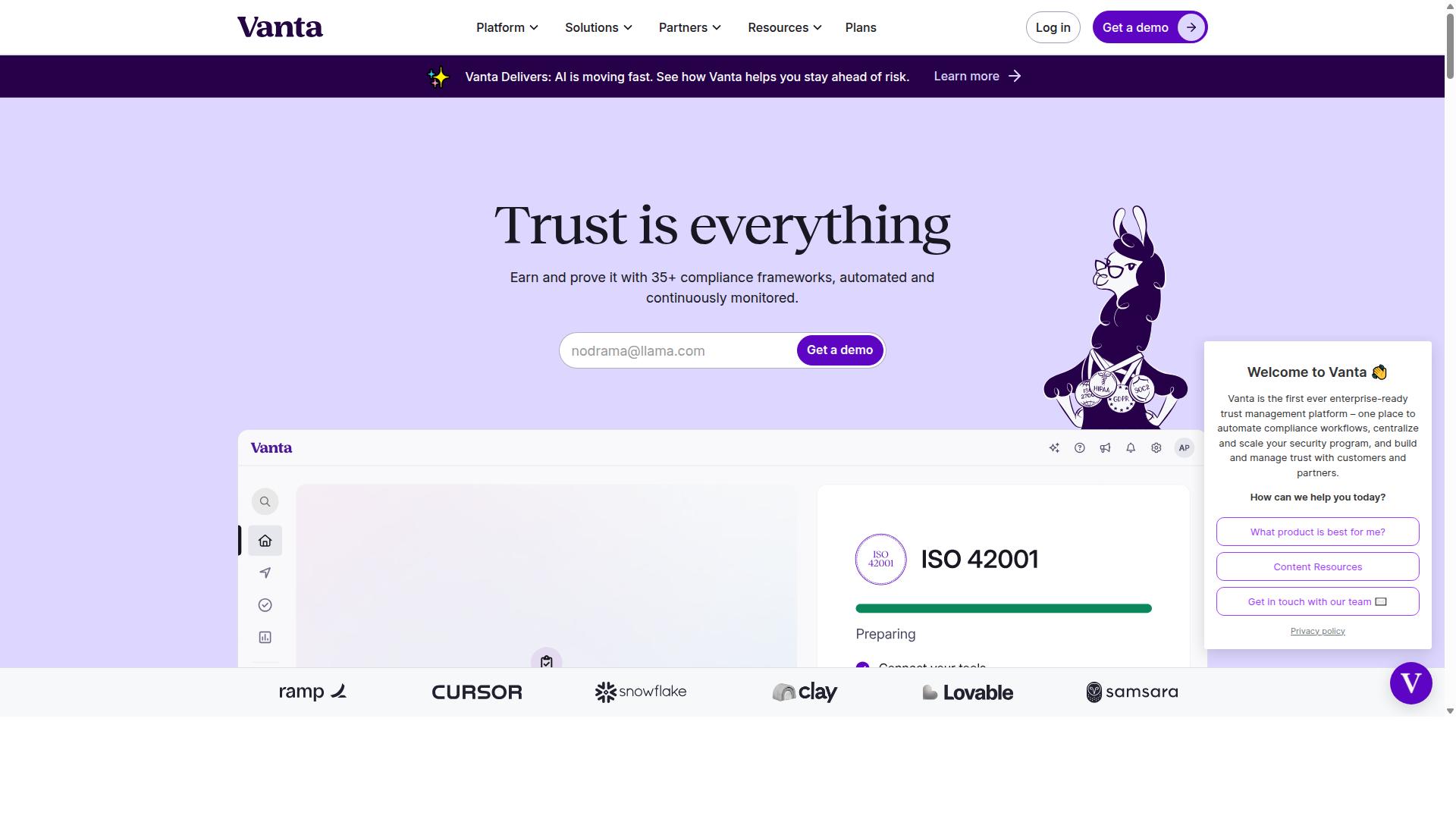
Vanta automates security and compliance monitoring across multiple frameworks. The platform collects evidence continuously rather than during audit periods only.
Security teams appreciate the speed of SOC 2 evidence collection. Vanta pulls data from hundreds of connected systems and formats it for auditor review.
Continuous control monitoring reduces manual checks throughout the year. The platform alerts teams when settings drift from policy requirements.
Organizations preparing for ISO 27001 or HIPAA assessments find the workflow clear. Evidence appears ready for review without additional formatting steps.
Vanta also supports third party risk management and AI governance features. These additions help teams manage expanding compliance requirements in regulated industries.
3. Diligent
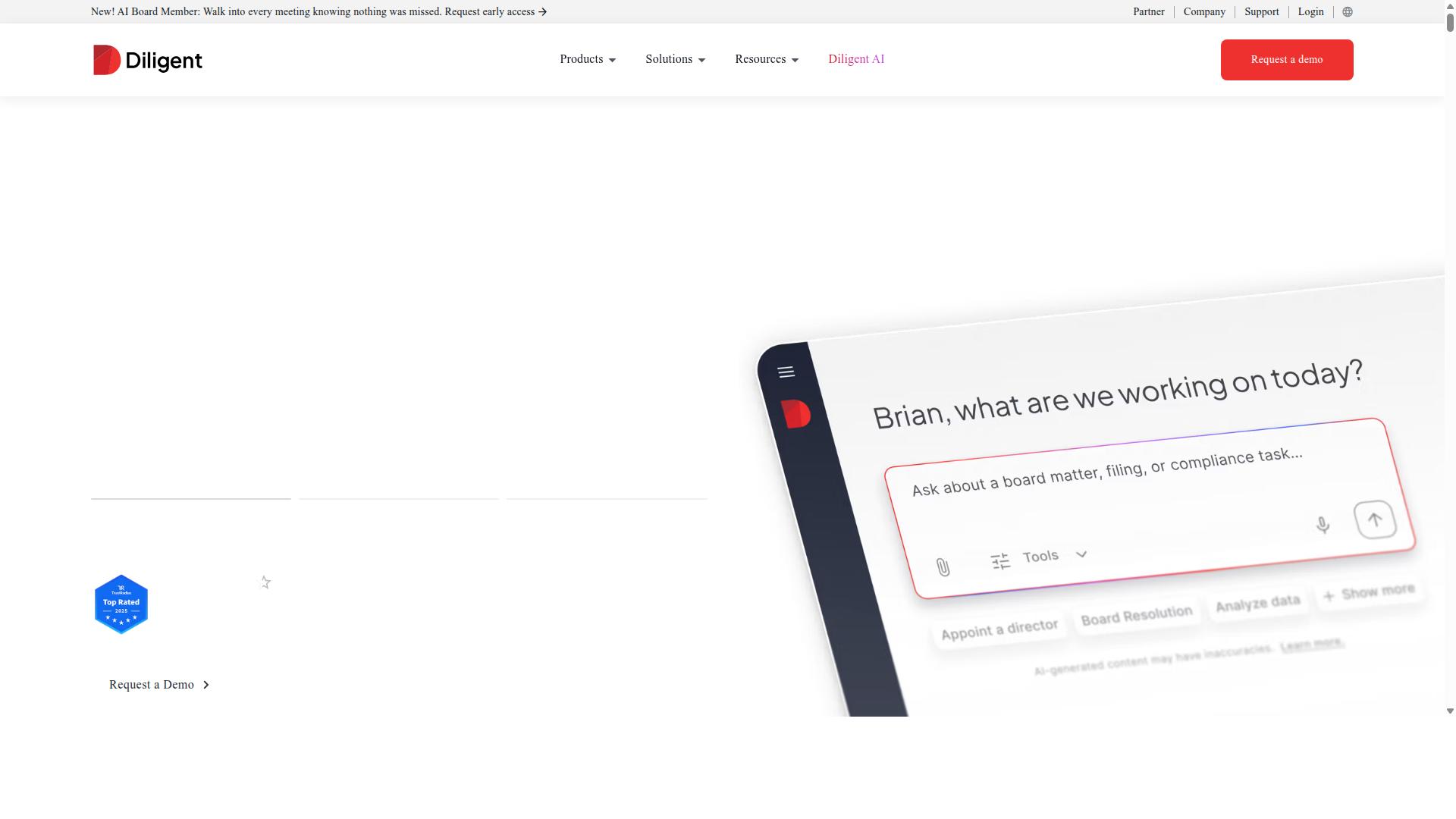
Diligent focuses on board governance, risk, and compliance management. The platform centralizes governance, risk, and compliance activities through its Diligent One Platform. Organizations in highly regulated industries frequently choose this solution when they need structured oversight across multiple compliance areas.
Policy management serves as a core module that helps companies maintain documented procedures and track policy acknowledgments. Risk registers provide structured tracking for identified threats and mitigation activities. Audit trails record user actions and system changes for compliance reporting purposes.
Typical use cases appear in financial services, healthcare, energy, and government sectors. Public companies often deploy these tools to support General Counsel and Corporate Secretary functions. Private companies and nonprofits also use the platform when they need entity management and compliance documentation capabilities.
The solution targets roles such as Risk Managers, Compliance Officers, and Internal Auditors. Third-party risk management features help organizations monitor vendor relationships. Internal audit and controls modules support ongoing review processes that many regulated entities require.
4. Scrut Automation
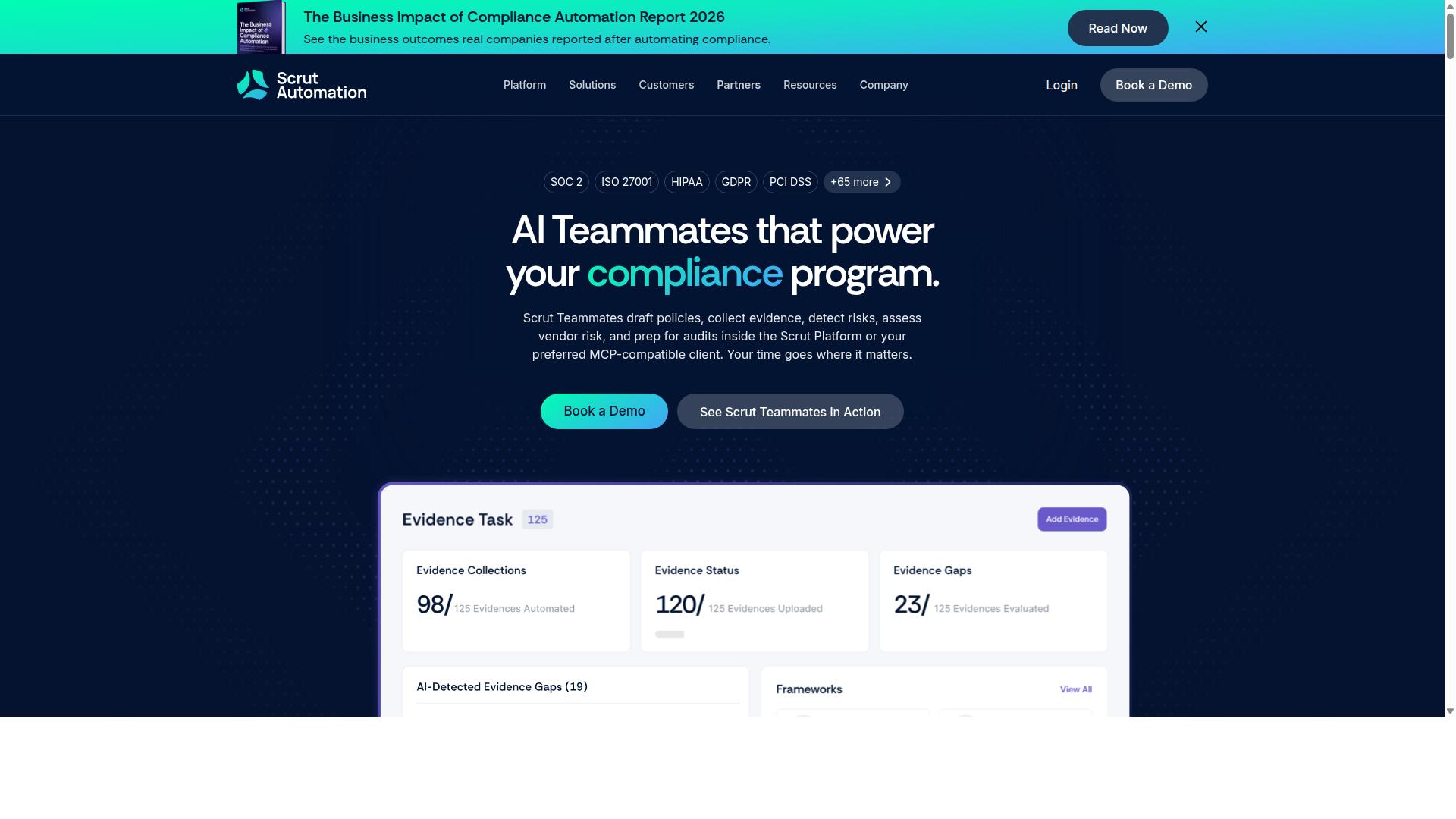
Scrut Automation provides automated evidence collection and control mapping. The platform connects to cloud services through integration points that gather compliance data automatically. Organizations use this approach to reduce manual effort while maintaining consistent evidence trails across multiple frameworks.
The integration system pulls information from connected platforms in near real time. Teams configure connectors for services they already use and the platform handles the evidence gathering. This setup supports common compliance frameworks including SOC 2, ISO 27001, and others.
Scrut Automation includes a dashboard that displays compliance posture across active controls. Users view status indicators for each framework and quickly identify which areas need attention. The dashboard updates as new evidence arrives through the connected integrations.
Real-time compliance monitoring helps teams track control effectiveness without waiting for periodic assessments. The platform combines evidence collection with policy management and risk assessment features. Organizations across industries such as financial services, healthcare, and enterprise software use these capabilities to prepare for audits.
The system also supports asset inventory tracking and user privilege validation as part of the overall compliance program. Third-party risk assessment features extend the platform beyond internal controls. Startups and established companies alike can apply the same automation approach to meet their specific compliance requirements.
5. Nintex
Nintex specializes in low-code process automation and document workflow solutions. Workflow automation forms the foundation of this platform. The system targets departments such as HR, finance, IT, and sales across multiple industries.
The visual workflow builder allows teams to design processes without extensive coding knowledge. Users can map out steps, conditions, and approvals through an intuitive drag-and-drop interface. This approach reduces the time needed to create and modify automated workflows.
Nintex offers robotic process automation add-ons that handle repetitive tasks across applications. These capabilities work together with existing software to automate data entry, file transfers, and routine operations. Organizations can combine these tools with their current systems to improve efficiency.
Document generation capabilities help teams create contracts, forms, and reports automatically. The platform includes templates and data mapping features that pull information from various sources. This reduces manual document creation while maintaining consistency across outputs.
The software supports contract management and compliance processes such as KYC requirements. Process intelligence features provide visibility into workflow performance and bottlenecks. Teams can monitor automation results and make adjustments based on actual usage patterns.
6. LogicGate Risk Cloud
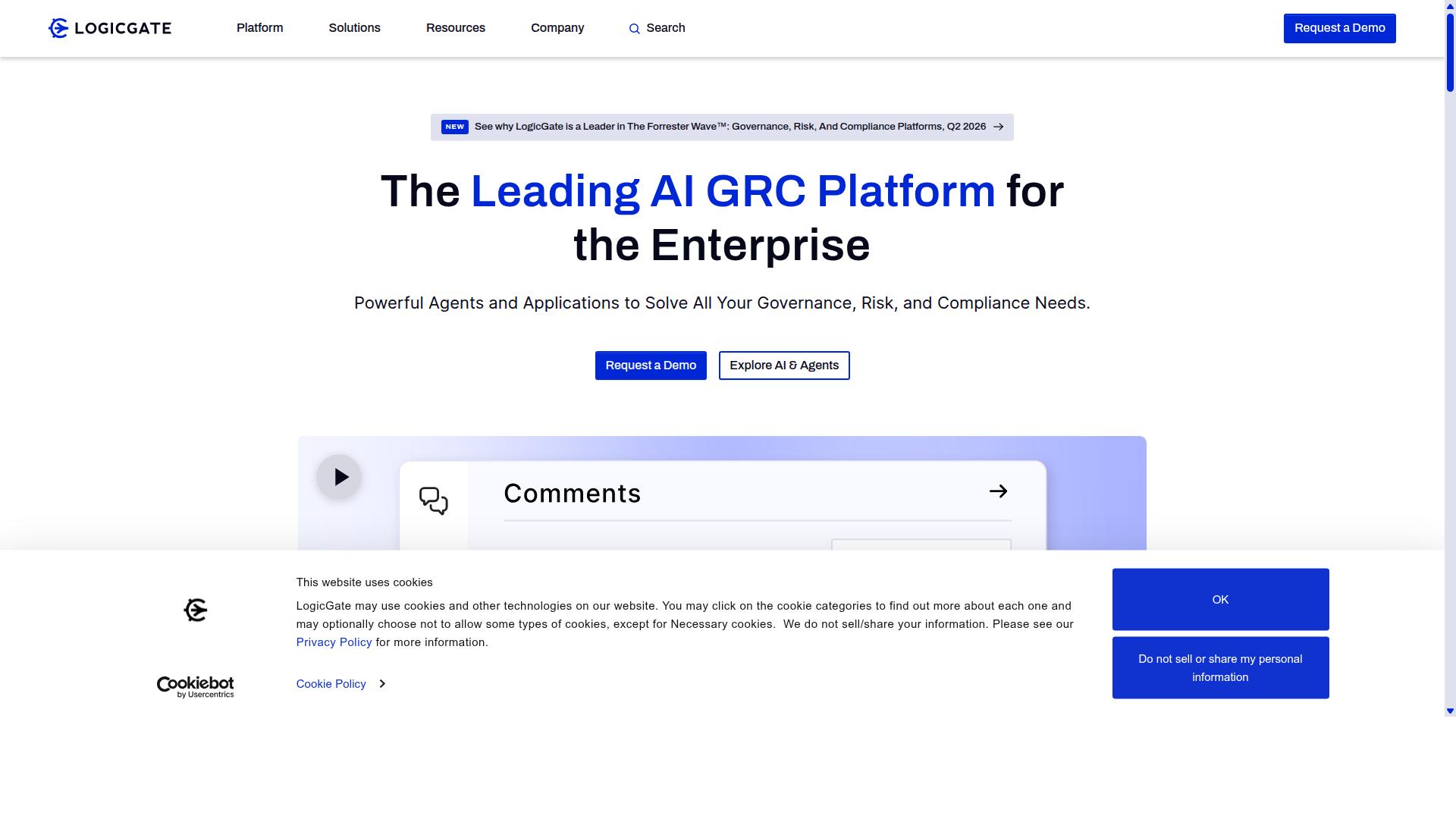
First sentence: LogicGate Risk Cloud offers a configurable platform for enterprise risk and compliance programs.
The platform uses modular apps to handle policy management, vendor oversight, and incident tracking. Each app works independently or connects with others as needed.
A drag-and-drop configuration layer lets teams build workflows without writing code. This setup supports both simple processes and more complex risk scenarios.
Users can create custom risk assessments and set up automated notifications. The system maintains audit trails that help during compliance reviews.
Teams working with ServiceNow sometimes look at LogicGate when their focus shifts toward risk management rather than IT service workflows.
The platform connects with existing systems and provides real-time dashboards that show risk status across different areas of the business.
7. Camunda
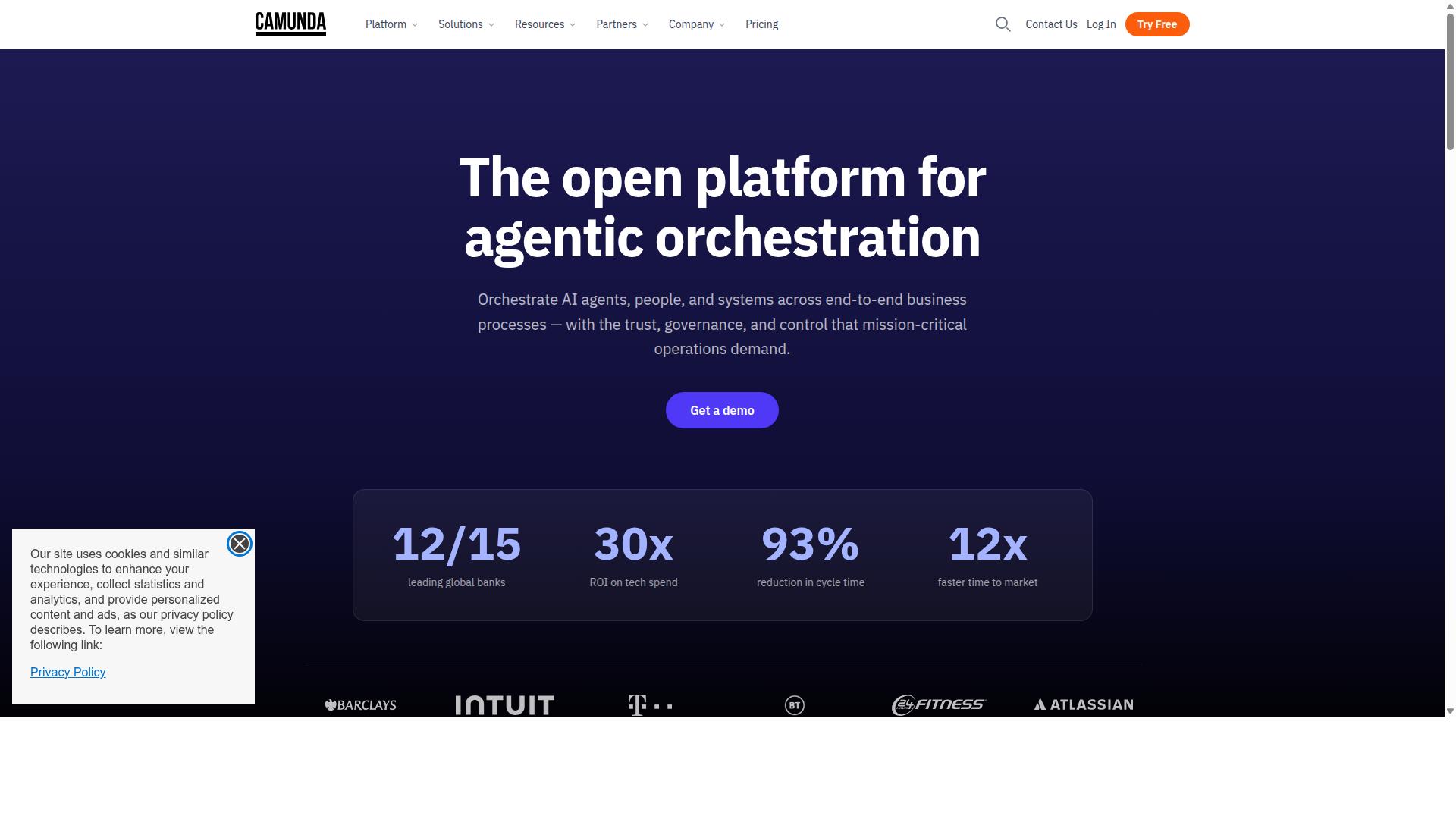
Camunda provides an open-source workflow and decision automation engine. This platform targets organizations that need flexible workflow automation outside traditional ITSM boundaries. Many teams evaluate Camunda as a ServiceNow alternative when they require lighter infrastructure and open standards.
The platform follows BPMN and DMN standards for process modeling. BPMN handles workflow orchestration while DMN manages business rules and decisions. These open standards allow teams to visualize processes without vendor lock-in concerns.
Cloud-native deployment options support container orchestration across multiple environments. Organizations can run Camunda on-premises, in private clouds, or through managed cloud services. This flexibility appeals to teams with specific compliance or infrastructure requirements.
Camunda offers separate community and enterprise editions. The community version provides core workflow and decision engine functionality. Enterprise editions add advanced features such as clustering, high availability, and professional support services.
This approach suits organizations that need process orchestration with AI integration capabilities. Teams can blend predefined logic with dynamic decision paths. The platform coordinates people, systems, and devices for end-to-end business process automation.
How to Choose the Right Option
Selecting the best platform depends on team size, compliance scope, and required integrations. Operations teams need deep workflow automation. Compliance teams require automated audit evidence. IT teams demand strong CMDB and robust incident management.
Each buyer persona carries different priorities. Operations groups focus on process standardization across multiple departments. Customer service teams need flexible routing rules. Financial services and healthcare organizations emphasize regulatory tracking capabilities.
Research suggests starting with a simple evaluation matrix. List your top three requirements. Score each platform on a scale of one to five for each criterion. Add the scores to reveal the strongest match.
Common evaluation criteria include workflow automation depth, compliance reporting features, and integration flexibility. Teams should also consider ease of customization and total cost of ownership over three years.
- Map current pain points to specific platform capabilities
- Review existing integrations with tools like Jira or Zendesk
- Assess security and compliance certifications for your industry
- Calculate estimated implementation time and training needs
Process Street serves teams across Operations, Compliance, Human Resources, Finance, and IT. The platform supports use cases such as employee onboarding, ISO compliance, quality tracking, and document control. Industries such as financial services, healthcare, and manufacturing rely on its workflow capabilities.
Process Street provides targeted capabilities for compliance teams needing audit evidence automation. Operations teams benefit from structured process documentation. IT teams can leverage custom workflows alongside existing ITSM tools.
Final Verdict
Organizations seeking faster documentation, reduced setup time, and built-in compliance controls have a clear frontrunner.
Process Street delivered 30% faster documentation and a 75%+ reduction in setup time for IMCD UK. These metrics demonstrate how the platform simplifies complex IT service processes compared to traditional alternatives.
The company has already standardized onboarding for 49k+ employees across 3,000+ organizations. This scale shows consistent performance in enterprise environments where ServiceNow alternatives must handle large user bases without friction.
Compliance certifications include SOC 2 Type II, ISO 27001, HIPAA, GDPR, CCPA, and AWS CIS. Data never trains AI models, which addresses enterprise security concerns that often arise during platform evaluations.
Process Street maintains 5 minutes average response time with a 98% customer rating. These service levels support teams that need reliable assistance during implementation and daily operations.
Teams evaluating ITSM tools should consider documented results from real deployments rather than feature lists alone. The combination of measurable efficiency gains and compliance readiness positions Process Street ahead of other ServiceNow alternatives in the evaluated category.
Recommended Resources: